Last updated: October 31, 2026
Quick Answer: A homeschool science kit is usually a 1-unit or 4-to-12-session boxed lesson set for parent-led learning at home. It gives a family the supplies, instructions, and structure needed to teach one science topic without building everything from scratch.
A homeschool science kit is a boxed set of science experiment materials and a lesson guide designed for parent-led learning at home. It usually gives a family the supplies, instructions, and structure needed to teach one science topic without building everything from scratch.
What a homeschool science kit actually is
A homeschool science kit is a ready-to-use package for home education that combines materials, instructions, and a teaching sequence around one science topic or unit. It is not the same thing as a full curriculum, and it is not just a pile of activity supplies.
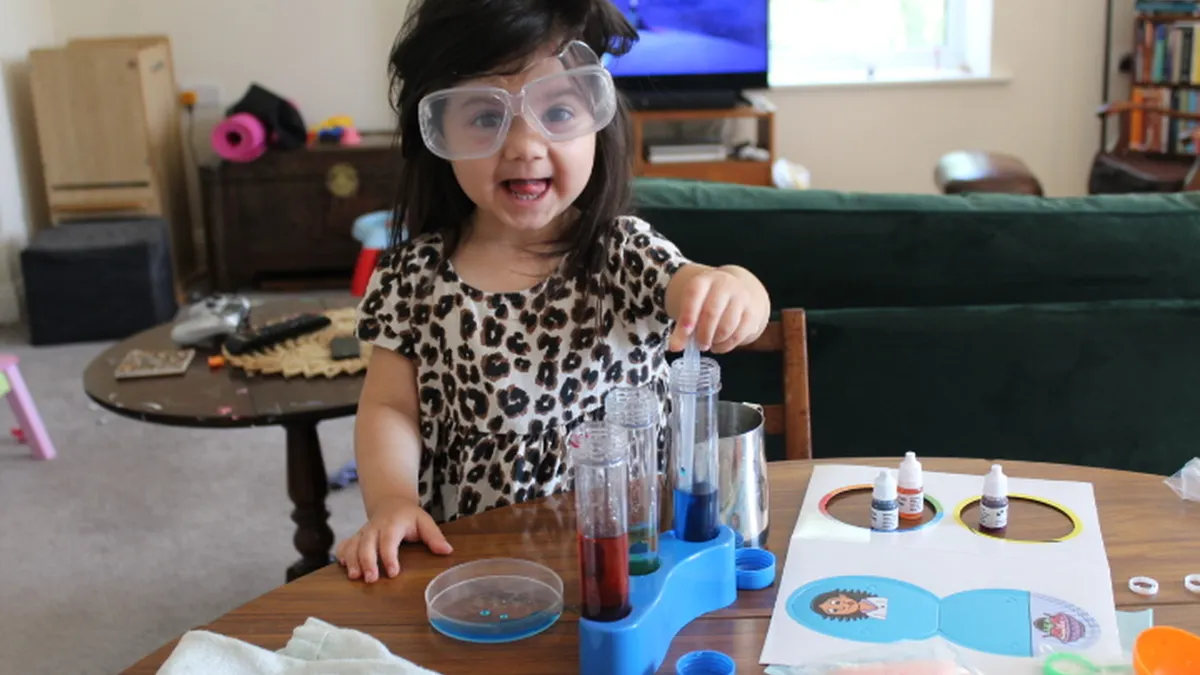
Most kits include some mix of science experiment materials such as droppers, magnets, test tubes, slides, safety goggles, or sample specimens, plus a lesson guide that tells the parent what to set out, what to ask, and what outcome the student should see. Some kits are built for a single week; others cover several lessons across 4 to 12 sessions. The format is meant to reduce prep time and keep the parent from having to source every item separately.
The key idea is structure. A homeschool science kit gives a specific path through a topic. It usually names the materials, sets out the steps, and connects the activity to a learning goal. That makes it different from the loose “science kit” many families picture, where the box may only contain a one-off experiment. It also makes it different from a full curriculum, which usually covers a broader year-long scope with readings, assessments, and multiple units.
A useful way to think about it: the kit is the laboratory piece of parent-led learning, not the whole map. A family may use one kit for a week of home education, then move back to a textbook, notebook work, or another unit.
For a broader overview of the category, the hub page on homeschool science kits is the right place to start; this page is the definition and format guide.
What comes in a homeschool science kit?

A homeschool science kit usually includes materials, instructions, and a small set of learning targets. The exact contents vary, but the box should make the lesson possible without a lot of extra shopping.
A typical kit may contain:
- consumable science experiment materials such as vinegar, pH strips, seeds, or craft sticks
- reusable tools such as a measuring spoon, magnifier, thermometer, or pipette
- a lesson guide with steps, vocabulary, and discussion prompts
- a parent note or answer key
- a supply list for anything not included
Some kits are very complete and can be used with little setup beyond table space and water. Others assume the family already has common household items such as scissors, tape, paper towels, or a tray. That difference matters. A kit that depends on ten missing items is less of a kit and more of a prompt.
A good lesson guide does more than tell the student to “observe.” It usually gives the parent a sequence: prepare the materials, introduce the concept, carry out the activity, ask one or two questions, and record the result. In home education, that structure is often the real value. It saves the parent from translating a science concept into a lesson plan.
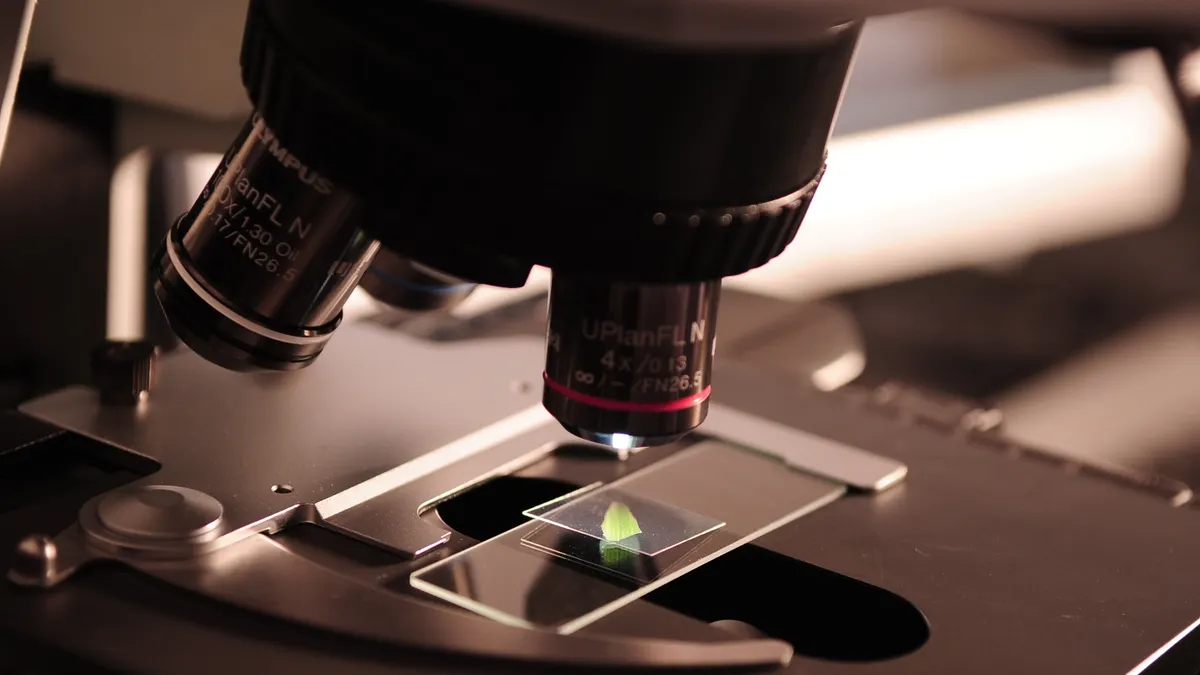
The contents also show the age range. A kit for younger students may use large, visible reactions and short directions. A kit for older students may include measurement, data tables, and more precise tools. If a box mentions a lab balance, microscope slides, or a 10 mL cylinder, it is signaling a more technical level than a simple color-change activity.
The point is not to fill the table with gadgets. The point is to match the materials to the lesson guide so the student can actually do the work the kit describes.
How does a homeschool science kit work in a home education routine?
A homeschool science kit works as a parent-led learning module that fits into a weekly routine, usually in 20 to 60 minutes at a time. The parent sets up the materials, follows the lesson guide, and uses the activity to teach one concept clearly.
A simple way to use the format is this:
- Choose one kit unit for the week and read the lesson guide before any materials come out. That gives the parent the topic, the vocabulary, and the number of steps, often in under 10 minutes.
- Gather the listed items on a tray or baking sheet and remove anything not needed for that lesson. A contained setup keeps small parts, liquids, and paper towels in one place.
- Introduce the concept in one short explanation, then start the activity. The lesson should move from idea to action without a long lecture.
- Let the student complete the observation or measurement and record what happened. A notebook, worksheet, or simple table is enough for most kits.
- Finish with the review questions or recap in the guide. The result should be a named concept the student can explain back, not just a finished craft or visible mess.
That rhythm is why the format works for home education. It does not require a lab period, a full classroom, or specialized training. It gives the parent enough structure to teach science without improvising every minute.
This is also where a homeschool science kit differs from a random experiment found online. A good kit ties the activity to a sequence: prepare, observe, explain, reflect. That sequence turns a fun task into instruction.
The trade-off is flexibility. The kit gives less freedom than a completely improvised experiment, and it may move more slowly than a child wants if the lesson guide includes discussion or written response. Still, that constraint is often the point. The structure keeps the science lesson from drifting into play with no takeaway.
For hands-on home schooling, that balance is the reason families buy the kit instead of collecting supplies one by one.
What learning outcomes should a homeschool science kit support?

A homeschool science kit should support observation, vocabulary, and a clear concept the student can explain after the lesson. If the kit only produces a reaction but no learning goal, it is weak science instruction.
The strongest kits aim at a few concrete outcomes:
- noticing a change in matter, motion, or living things
- using correct science words in the lesson guide
- measuring or comparing results
- following a sequence and describing what happened
- connecting the activity to a broader topic in science
A lesson on magnets, for example, might ask the student to sort objects by attraction, use the terms “magnetic” and “nonmagnetic,” and explain why some items behave differently. A lesson on plants might ask the student to label parts, compare growth over several days, and write down what changed. Those are learning outcomes, not just activities.
This is where many generic articles go wrong: they treat the kit as if the result is the experiment itself. The real result is the concept the student keeps after the table is cleared. A child who can repeat “the paper clip moved because of the magnetic field” has learned more than a child who simply watched the clip jump, but parents should check the guide and, if needed, consult a science educator to be sure the activity is actually building understanding rather than memorization. The U.S. National Research Council notes that learning science well depends on engaging with core ideas and scientific practices, not just seeing a demonstration. See the National Academies’ A Framework for K-12 Science Education and NSTA’s position on elementary school science.
The kit should also support age-appropriate skill building. A younger student may only need naming and sorting. An older student may need basic data collection, a short written explanation, or a simple graph. A good lesson guide signals that difference. Terms like “record,” “compare,” “predict,” and “analyze” usually point to a more advanced level than “color,” “mix,” or “look.”
If the box never says what the student should understand by the end, the parent has no way to judge whether the lesson worked. That is the hidden value of the format: it gives the science activity a target.
How is a homeschool science kit different from a full curriculum or a one-off experiment kit?
A homeschool science kit is narrower than a full curriculum and more structured than a one-off experiment kit. That difference is the main reason readers confuse the three.
A full curriculum usually covers an entire school year or semester. It may include readings, worksheets, tests, pacing, and multiple topics under one scope and sequence. A homeschool science kit usually covers a single unit or a short series of lessons, often 1 to 12 sessions, and focuses on hands-on work tied to one topic.
A one-off experiment kit is usually smaller and less instructional. It may contain enough material for one activity, but not enough explanation to build understanding beyond the moment. A homeschool science kit should do more than entertain. It should teach.
That distinction matters for purchase decisions. If the goal is a year-long plan, a kit is not enough on its own. If the goal is a single focused unit in a week of home education, a kit may be exactly right. A family that wants broad coverage should not expect one box to behave like an entire curriculum. A family that wants a simple science day should not pay for a heavy curriculum package if a kit would do.
There is also a practical difference in parent effort. A curriculum asks for more planning but can cover more ground. A kit asks for less planning but covers less material. The first usually helps with scheduling over 9 months; the second helps with execution over a short block of time.
That is why the format sits in the middle. It is a teaching tool, not a full program, and it is more than a craft box.
Who is a homeschool science kit for, and who is it not for?
A homeschool science kit is for families who want guided science at home with less prep and a clear lesson sequence. It is especially useful for parents who can teach but do not want to design every activity from scratch.
It fits well when:
- a parent wants a ready-made science lesson for home education
- the student learns better by doing than by reading alone
- the family wants one topic taught in a focused block
- the parent wants materials and instructions in one place
- the lesson needs to happen in 30 to 45 minutes instead of a full lab block
It is not the best fit when the family wants a complete year plan with broad reading, writing, and assessment built in. It is also not ideal for a parent who wants total freedom to shape every lesson around personal interests. The structure that makes the kit useful can also make it feel tight.
A homeschool science kit can also be a poor choice if the student needs very open-ended exploration. Some children want to repeat experiments, expand the question, or change variables. Many kits are too fixed for that style unless the parent intentionally extends them. The lesson guide may only leave room for one path.
There is a simple rule here: if the main problem is “I need a science lesson ready to go,” a kit makes sense. If the main problem is “I need an entire science program for the year,” a kit is only one piece of the answer.
The best use is targeted, and a homeschool science kit works best when it supports one topic, one week, or one short unit where hands-on instruction will carry the lesson farther than a textbook page alone.
What should a parent check before buying one?
A parent should check the lesson guide, material list, age range, and topic depth before choosing a homeschool science kit. Those four details tell you whether the kit is a real teaching tool or just a box of activities.
Start with the lesson guide. If the guide names only steps and supplies, the kit may be thin. If it includes vocabulary, prompts, and an explanation of the concept, it is more likely to support actual learning. The guide is the center of the product.
Then read the supply list. A kit that still needs many common items can be fine, but the missing materials should be ordinary household things, not a long list of extras. If the box depends on specialty parts that are not included, the convenience drops fast.
Next check the age range. A kit marked for one level may be too easy or too advanced for another. Science instruction at home works best when the directions, reading load, and measurement tools match the student’s stage.
Finally, look at the topic depth. Some kits go only as far as a single observation. Others build toward a bigger science idea. A good fit should make clear whether the kit is a light introduction or a more substantial unit.
If the box does not explain those points clearly, the parent should be cautious. Ambiguous products often leave the family with materials but no path.
In plain terms, a homeschool science kit is best when it gives structure, not just stuff. That is what makes it different from a curriculum, a toy, or a random experiment bag.
Key Takeaways
- A homeschool science kit is a home education package built around science experiment materials and a lesson guide.
- Its main job is to turn a science topic into a parent-led lesson that is easy to run at home.
- It usually covers one unit or a short series of lessons, not an entire year.
- The best kits teach something specific, not just produce a reaction.
- It is most useful for families who want structure without building the lesson themselves.
What comes in a homeschool science kit?
A homeschool science kit usually includes the materials needed for one unit, plus a lesson guide that tells the parent what to do next. The exact contents vary, but the box should make the lesson possible without major extra shopping.
Common pieces include consumables, simple tools, and written instructions. A kit might hold magnifiers, droppers, magnets, slides, seeds, or a worksheet set, along with directions and a parent note. Some kits are almost self-contained; others still ask the family to supply household basics such as scissors, water, or paper towels.
A useful kit tells the parent what is included, what is not, and how the materials connect to the lesson. That clarity matters more than having a lot of parts.
Are homeschool science kits worth it?
A homeschool science kit is worth it when the family wants a ready-made science lesson with less prep and a clear teaching path. It is worth less when the family needs a full science curriculum or wants to design lessons from scratch.
The real value is time saved and structure gained. The trade-off is less flexibility. If a parent wants one focused topic taught well in a short block, the kit can be a strong fit. If the goal is year-long coverage, the kit is only a piece of the plan.
Do science kits replace a curriculum?
A homeschool science kit does not usually replace a curriculum. It can support one unit or topic, but a curriculum covers a broader sequence of lessons, readings, and assessments.
A kit works best as a unit study, supplement, or hands-on module. A curriculum gives scope and progression across months; a kit gives a concentrated lesson experience, often in 1 to 12 sessions.
Drafted with AI; not yet reviewed by a person.