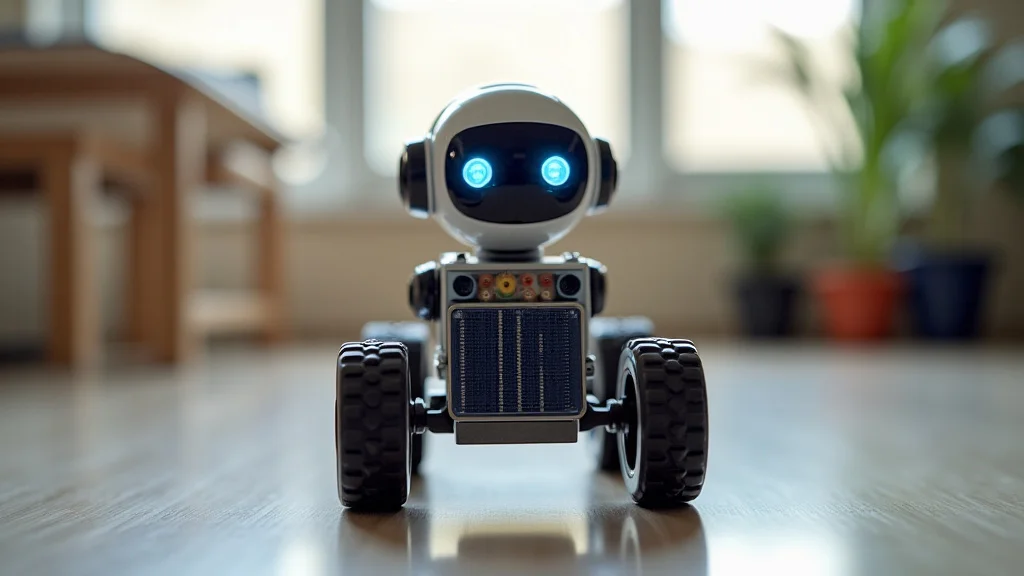
Remember that time you tried to build a robot from a cardboard box and some spare wires? It’s fun, right? Now, imagine taking that excitement and multiplying it by a factor of fourteen! This blog post explores the exciting world of the 14 in 1 educational solar robot kit, a fantastic way to introduce kids (and adults!) to robotics, renewable energy, and hands-on learning. We’ll explore the different robot models you can create, the educational benefits, and how to get started. You’ll also learn the answers to common questions about this amazing kit. Get ready to explore the exciting possibilities this kit offers and discover how it sparks an interest in STEM fields. By the end, you’ll be able to confidently choose the right 14 in 1 educational solar robot kit for your budding engineer.
Key Takeaways
- Discover the diverse types of robots you can create with a 14 in 1 educational solar robot kit.
- Understand the educational advantages of building and experimenting with these kits.
- Learn about the solar power component and how it works.
- Explore the different components and functionalities of the kits.
- Find out how to choose the right kit based on age and skill level.
- Gain valuable insights into the practical applications of robotics and renewable energy.
Unleashing Creativity with a 14 in 1 Educational Solar Robot Kit
The beauty of a 14 in 1 educational solar robot kit is its versatility. You’re not just building one robot; you’re building fourteen different ones! This variety keeps things interesting, encouraging exploration and experimentation. Each robot has a unique function and design, from a simple walking dog to a more complex car or boat. As you build each model, you’ll gain valuable experience with different mechanical systems, gears, and motors, developing problem-solving skills and a strong foundation in engineering principles.
Building Fun: The Variety of Robot Models
One of the best features of a 14 in 1 educational solar robot kit is the sheer number of models you can construct. This diversity allows children to engage with many different robotic systems, sparking curiosity. The included instructions and parts encourage hands-on learning, allowing students to see concepts in action. The various robot designs make the learning process fun and exciting. Imagine the sense of accomplishment as your child constructs their very own robot! This feeling contributes to boosting their self-confidence and inspiring a love for learning.
- Variety is the Spice of Learning: The kits typically include robots that move in different ways. Some kits include robots that can walk, run, swim, or even crawl. This offers children a wide range of mechanical movements to explore.
- Functionality and Design: From a simple puppy robot that walks to a more complicated tank, these robots can do a range of tasks. Some kits also include educational instructions to teach children about mechanics and engineering principles.
- Educational Value: These kits are not just for playing; they provide an excellent opportunity to learn about how different mechanical systems work together.
The Solar Power Advantage: Renewable Energy Education
In addition to building the robots, these kits emphasize the importance of renewable energy. The solar panel is more than just a power source; it’s a demonstration of how we can harness the sun’s energy to power devices. Learning about solar power at a young age instills awareness of environmental sustainability. This hands-on approach offers kids practical knowledge of green energy, and the concept will stick with them as they get older.
- Solar Panel Basics: The kits introduce the concept of solar panels, showing how they convert sunlight into electricity. It demonstrates a practical application of physics.
- Hands-On Renewable Energy: Students get a hands-on experience with renewable energy technology. This allows children to observe and realize the impact of solar power.
- Sustainability and Environmental Awareness: The kits promote the idea of sustainable energy sources and their importance to our planet. It introduces environmental responsibility.
Building Steps and Processes
Constructing the robots is a carefully planned process, usually broken down into a series of clear steps. The kits include detailed instructions with illustrations and descriptions to guide the builder. Following each step in order is important; this helps in proper assembly. The assembly process teaches children about following instructions, enhancing their ability to focus, and fostering patience and persistence, essential skills for academic success and problem-solving.
- Step-by-Step Instructions: The instructions are designed in a way that is easy to understand, even for beginners. The pictures show clearly how to fit each piece.
- Parts and Tools: The kits come with all the components needed to build the robots. The tools needed are typically included or easily found at home, making it simple to start building.
- Troubleshooting and Problem-Solving: Building the robots will present some challenges and problems. The process encourages children to resolve issues independently or with some assistance.
Understanding the Components of Your 14 in 1 Kit
Every 14 in 1 educational solar robot kit is made of various parts that work together to bring your robots to life. Familiarizing yourself with these parts is key to a smooth and fun building experience. Some common parts include gears, motors, solar panels, and connectors, and understanding what they do is crucial. The following sections will guide you through the primary elements found in the majority of these kits, helping you build confidence and enthusiasm.
Gears and Motors: The Power Behind the Movement
Gears and motors are the heart of the robot’s movement system. Gears change the speed and force. Motors convert electrical energy into mechanical movement. Understanding how these parts function is essential to building a successful robot. The gears come in different sizes, each with its own specific role. The motor works by converting electrical energy into rotational force, allowing the robot to move.
- Gears and Their Functions: Gears are an essential part of the robot’s mechanical system. Different sizes of gears serve various purposes, changing the direction, speed, and force of movement. Small gears can speed up rotation, while large gears increase power. This allows children to observe how different gears influence the robot’s motion.
- Motors and Power: The motor is what provides the power for the robot to move. The motor, in turn, is powered by the solar panel. It converts electricity into mechanical movement, allowing the gears to function and allowing the robot to perform its specific task.
- Learning about Mechanical Systems: By assembling and experimenting with these parts, children develop a basic understanding of mechanical systems. This knowledge helps them grasp important engineering principles.
Solar Panel and Power Source
The solar panel is a significant component of the 14 in 1 educational solar robot kit, serving as the robot’s energy source. It allows the robot to run without batteries. The panel transforms sunlight into electrical power, and this power is used to run the motors. Solar panels teach children about renewable energy sources. This hands-on understanding is an important introduction to the concept of sustainable energy and its benefits.
- Harnessing the Sun’s Energy: The solar panel is a core part of the robot, turning sunlight into electricity. This allows children to see, firsthand, how solar energy is collected and used.
- Eco-Friendly Alternative: This solar power concept teaches children about sustainable energy choices. The solar panel removes the need for batteries, introducing them to environmentally friendly solutions.
- Practical Applications of Renewable Energy: Children will see how solar power has many uses. The robot helps them relate to real-world applications of renewable energy.
Connectors, Wires, and Other Components
Besides gears, motors, and solar panels, the kit consists of many other components that are just as vital to the construction of a robot. Connectors and wires make sure that all the parts are linked and operating. Screws, brackets, and other small components hold the robots together, enabling them to move. Working with all of these components is a fun way to get hands-on experience and develop a good understanding of how robots are put together.
- Connectors: These small parts enable the connections needed for power and signals. They must be put together properly, ensuring that the circuits work and that the robot can function.
- Wires: Wires transport electrical power from the solar panel to the motor. Proper connection of the wires is essential for the robot to get power and begin moving.
- Assembly Tools: Tools such as screwdrivers and small wrenches are often included. They are used for tightening screws, attaching parts, and assembling the robot.
Educational Advantages of the 14 in 1 Solar Robot Kits
More than just a fun activity, a 14 in 1 educational solar robot kit is a tool for learning that covers many areas. It fosters critical thinking and problem-solving skills and teaches the basics of engineering. The hands-on process engages children in STEM learning. This helps build the foundation for their future academic success. It can also encourage creative thinking and imagination.
STEM Education and Robotics Basics
A 14 in 1 educational solar robot kit offers an engaging introduction to STEM (Science, Technology, Engineering, and Mathematics) education. Building robots requires the application of scientific principles, technological understanding, and engineering concepts. Moreover, the kits provide hands-on experience in these areas. The process of building and testing robots nurtures their basic knowledge in these areas and builds their overall academic foundation.
- Science Concepts: The robots help children observe how energy moves, how light works, and how circuits operate. This hands-on experience makes learning about scientific concepts fun.
- Technological Know-How: Children learn about the use of different components such as gears, motors, and solar panels. These components teach them about the way technology is structured.
- Engineering Skills: The process of building a robot requires children to follow instructions and solve problems. This teaches them basic engineering skills and the ability to think critically.
Enhancing Problem-Solving and Critical Thinking Skills
As children build these robots, they’ll also learn the value of problem-solving. This is an important skill in all aspects of life. Each model presents challenges and potential errors. Children must analyze the issue and work out a solution. It helps boost their self-esteem as they overcome the challenges. They will become more confident and independent learners as a result of their robot-building efforts. They will be more able to deal with challenges and find solutions in other academic areas.
- Troubleshooting and Experimentation: The instructions might not always be enough, and the robots might not work perfectly at first. Children will learn to troubleshoot issues, experiment with solutions, and find out what works.
- Developing Analytical Skills: The kits provide opportunities for children to analyze how each component functions and affects the robot. They learn to break down problems into their parts.
- Boosting Resilience and Persistence: If a robot doesn’t work the first time, children learn the importance of being persistent. They must learn to persevere, test new ideas, and build the robots over and over.
Fostering Creativity and Imagination
The fun of the 14 in 1 educational solar robot kit extends beyond simply assembling the robots. The kits also spark creativity. Children might alter the robots or design modifications to enhance their function. They can test different ways to use the robots, turning them into a fun project. This encourages them to dream up more inventive ideas. This helps them with all other areas of creativity and imagination as they develop their unique problem-solving capabilities.
- Modifying and Personalizing: Once the robots are built, children can adapt them and explore new designs. They can also add components or redesign the structure, making them their own.
- Experimenting with Different Designs: The kits offer various robot models. Children can try to combine elements from several robots. This experimentation stimulates their imagination and creativity.
- Inspiring Future Engineers: Working with these kits can stimulate an interest in STEM fields. It may spark a passion for engineering and lead to future studies and careers.
Choosing the Best 14 in 1 Educational Solar Robot Kit
Picking the correct kit means considering several factors. Age is a key factor, as younger children need simpler kits, while older children can handle more complex builds. Kit features like the number of models, solar panel capabilities, and material quality are equally crucial. Considering these factors will help you make a decision that matches your interests and abilities. The correct kit will ensure a rewarding, instructional, and pleasurable experience.
Considering Age and Skill Level
When picking a 14 in 1 educational solar robot kit, matching it to the age and skill level is vital. Kits come with varying complexity levels. Younger children should start with kits that have fewer parts and easier assembly. Older children can work on more difficult builds that test their abilities. The more advanced kits often have more sophisticated mechanisms, requiring advanced thought and problem-solving skills.
- Beginner Kits: These kits are designed with ease in mind, making them ideal for kids. They have fewer components and clear instructions to make assembly easier.
- Intermediate Kits: These kits offer a little more complexity, helping children to expand their skills. These kits have additional features and require more advanced building methods.
- Advanced Kits: Advanced kits are ideal for children who are familiar with robotics. They present tough challenges and allow children to discover the intricacies of engineering and design.
Key Kit Features: Solar Panel Quality and Model Variety
The quality of the solar panel is very important since it affects how well the robot performs. A higher-quality panel converts sunlight to electricity more efficiently. It will also have improved efficiency in low-light situations. The wide variety of models can improve engagement and promote learning. The kit should have various robots to build, which helps keep children interested and allows them to discover different mechanical systems.
- Solar Panel Efficiency: A solar panel’s efficiency will determine how much power the robot gets. Search for kits with panels that perform well under varied lighting.
- Number of Models: Choose kits with many robot models. The more robots to create, the better, keeping children interested.
- Material Quality: The materials used to make the kit should be durable. It must be able to withstand the physical demands of building and playing.
Evaluating Instructions and Support
The instructions and the degree of assistance offered by the manufacturer play a crucial role in building the robot. Clear, detailed instructions with images are essential for a successful build. When selecting a kit, you must check for kits that provide educational support. These include customer service, tutorials, and community forums. These resources provide assistance if problems occur, improve the overall building process, and provide opportunities for learning.
- Clarity of Instructions: The instructions need to be simple to understand and include images. This will help make sure that the building process goes smoothly.
- Online Support: See if the manufacturer provides online materials. Look for videos, tutorials, and Q&A sessions to help troubleshoot problems and improve the learning experience.
- Customer Reviews: Customer reviews often share important information about the product. They can help you learn how easy it is to assemble and whether the customer service is good.
Common Myths Debunked
Myth 1: Solar Robots Are Only Toys
Some believe 14 in 1 educational solar robot kits are just toys. However, these kits provide a comprehensive introduction to robotics and STEM concepts, fostering skills like problem-solving, critical thinking, and design. They introduce key concepts in engineering and renewable energy. The hands-on experience in building robots with various functionalities makes these kits a fantastic learning tool.
Myth 2: Solar Robots Are Too Difficult for Beginners
Some think that building solar robots is only for those with prior experience. But the kits are created for a variety of skill levels. Many kits include clear, step-by-step instructions with images, making it easy for beginners to start. Even if problems arise, the building process gives them the chance to develop their problem-solving skills. They can develop basic engineering skills while having fun.
Myth 3: All Solar Robots Are the Same
All kits may appear similar, but they vary greatly in design, quality, and functionality. There are kits with varying numbers of models, and the complexity of these models varies, too. Kits vary in the quality of the materials and the efficiency of the solar panels. Before purchasing a kit, look for the features that best suit your interests and skill levels. Think about the types of activities you want to do with the robot.
Myth 4: Solar Robots Don’t Last
Some people think that because these are educational tools, they are not designed to last. However, the lifespan of a robot depends on the quality of its components and how well it is maintained. When you assemble it, you will learn the importance of maintenance, which ensures the robot’s longevity. Following the instructions and using the kit correctly can help your robot remain in good condition. With proper care, these kits can provide years of learning.
Myth 5: Solar Robots are Complicated to Maintain
Many believe maintaining a solar robot is a lot of work. In reality, caring for a solar robot is fairly easy. Usually, it requires only a few simple checks and basic repairs. Regularly examine the parts and make any necessary adjustments. This hands-on experience teaches children about responsibility and the value of caring for their possessions. Regular maintenance will guarantee that the robot is working efficiently and continues to provide enjoyment.
Frequently Asked Questions
Question: What age is suitable for these robot kits?
Answer: Kits are appropriate for children of varying ages, and selecting the kit based on skill and complexity is key. Younger children can use beginner kits with simple instructions, whereas older children can handle more complex kits.
Question: Do I need any special tools?
Answer: Most kits include all the required components and tools. You might have to have a screwdriver or scissors, but the package usually has everything you need.
Question: How long does it take to assemble a robot?
Answer: Assembly time can differ depending on complexity, typically taking a few hours to complete a single robot. It can be shorter for smaller models and longer for the more involved builds.
Question: Can I use the robots indoors?
Answer: Robots require direct sunlight to function. They can be used inside under bright artificial lights. Experimentation is part of the fun!
Question: What if my robot doesn’t work?
Answer: Read the instructions and go through the construction again to find errors. You can also consult customer support or online tutorials for help.
Final Thoughts
Building a 14 in 1 educational solar robot kit is an excellent way to learn about robotics, engineering, and renewable energy. These kits offer a chance for children to develop important skills. Constructing these robots, using their imagination, and learning about the world of solar power is fun. These robots provide opportunities to improve their problem-solving skills and develop their capacity to think critically. The experience promotes a better understanding of STEM principles. It’s more than just a pastime; it’s a doorway to a wide range of learning. Start building and exploring this exciting world of robots today! You’ll be amazed by the robots you create, and the skills you acquire along the way.