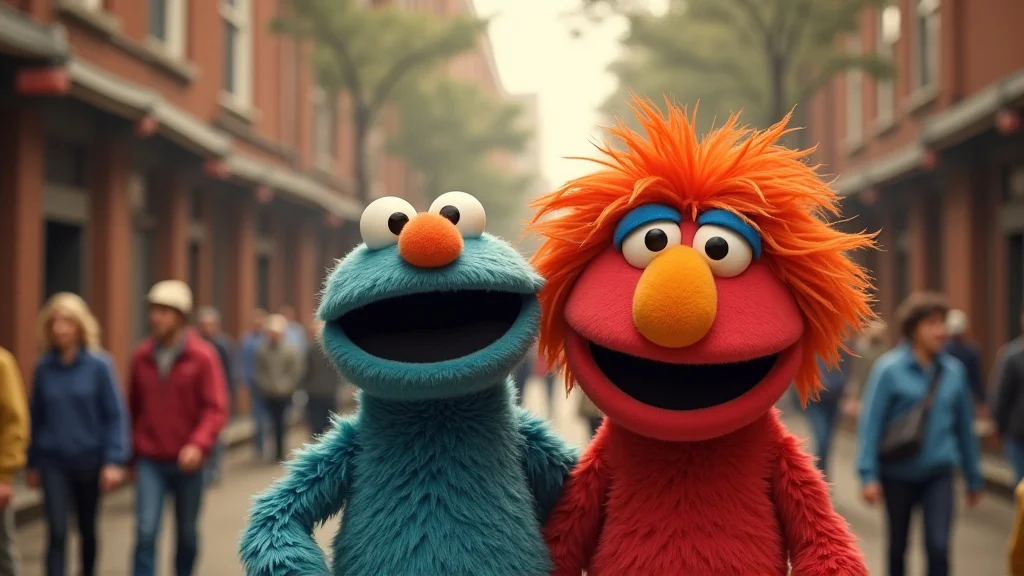
Picture this: It’s a rainy afternoon, and your little one is bouncing off the walls. You need a few moments of peace, but you also want them to engage in something beneficial. What do you do? Often, the solution lies with something that is familiar, safe, and engaging: educational kids videos Sesame Street. This post explores the core elements that make these videos so effective, offering insights into how you can best utilize them. You’ll learn the key benefits of these programs, from early literacy skills to social-emotional development. Get ready to discover how to select the best content and create a positive viewing experience for your child.
Key Takeaways
- Discover the core educational benefits of educational kids videos Sesame Street, beyond just entertainment.
- Learn how these videos foster literacy, numeracy, and essential life skills.
- Explore tips for selecting age-appropriate content for your child.
- Understand strategies for integrating these videos into your child’s learning environment.
- Explore how these videos help children understand and manage their emotions.
- Gain insights into the long-term impact of watching quality children’s programming.
The Enduring Appeal of Sesame Street
Sesame Street, created by Joan Ganz Cooney and Lloyd Morrisett, debuted on public television in November 1969. It has become a global phenomenon, captivating generations of children and parents alike. The show’s success stems from its unique approach to education, blending entertainment with a carefully constructed curriculum. The familiar characters, catchy songs, and vibrant visuals keep children hooked, while seamlessly delivering educational content. Over the years, the program has evolved, adapting to changing times and addressing diverse topics relevant to young viewers. This sustained relevance is a testament to its effective educational framework. This section explores why the show has become so popular.
Core Educational Principles
Sesame Street bases its approach on several key educational principles, including the idea that learning should be fun and engaging. The creators recognized that children learn best when they are actively involved in the material. This philosophy is evident in the program’s use of music, puppetry, and interactive segments. Another key concept is the importance of repetition and reinforcement. Concepts are revisited throughout the episodes, ensuring that children have multiple opportunities to learn and retain information. The show emphasizes the idea that every child matters, no matter their background or ability. The curriculum is designed to be inclusive and accessible to all viewers.
- Play-Based Learning: Sesame Street embraces play as a central element of learning. The show uses games, songs, and skits to make learning an enjoyable experience, helping children retain information more effectively. This approach not only makes the content more appealing but also encourages active participation and critical thinking.
- Positive Reinforcement: The program employs positive reinforcement strategies to encourage learning and good behavior. Children are praised for their efforts. The characters celebrate successes and offer support when mistakes happen. This helps them develop a positive self-image and a willingness to try new things.
- Repetition and Reinforcement: Key concepts and skills are repeated throughout the episodes to reinforce learning. Concepts are revisited in various contexts, providing children with multiple opportunities to understand and retain the information. This method ensures that the material is not only introduced but also remembered over time.
- Inclusivity and Diversity: Sesame Street features a diverse cast of characters representing different ethnicities, cultures, and abilities. The show tackles complex topics such as race, disability, and immigration. This creates a welcoming environment for all children, encouraging understanding and acceptance.
This approach aligns with the understanding that children often learn through exploration and experimentation. The educational content is woven seamlessly into the narrative. Games are often used to introduce new concepts, while songs reinforce learned material. This method ensures children engage naturally and retain information more easily.
This approach builds confidence and encourages a growth mindset. Instead of punishing mistakes, the show uses them as teachable moments. Children learn that it is okay to make errors and that they can learn from them. This focus on encouragement helps children develop resilience and a positive attitude toward learning.
This repetition works for different learning styles. The repeated exposure to concepts in the program helps the information sink in. The show uses various formats, such as songs, skits, and games. This diverse approach ensures that the message is received, regardless of how a child learns best. The consistent reinforcement leads to long-term memory retention.
The program strives to be a mirror and a window. It reflects the diversity of the world. It provides children with an opportunity to see themselves and to understand others. This inclusivity helps promote social-emotional development, encouraging children to be kind and empathetic toward each other. The show’s commitment to diversity reflects its values.
The Building Blocks of Literacy and Numeracy
Beyond entertainment, educational kids videos Sesame Street provide a solid foundation in literacy and numeracy. The show introduces letters, numbers, and basic concepts through catchy songs, memorable characters, and engaging storytelling. The consistent repetition, combined with creative presentation, helps children grasp complex ideas. The program’s carefully designed curriculum ensures that children are building the skills they need for school. This section describes how it does this.
- Alphabet Adventures: The program’s core focus is on the alphabet. Every episode contains segments dedicated to letters, words, and sounds. The Muppets use songs, stories, and games to teach the alphabet. This helps children recognize letters, learn letter sounds, and build a base for reading.
- Number Explorations: Sesame Street’s focus extends to numbers, shapes, and counting. The show incorporates counting activities, number recognition games, and basic mathematical concepts. These elements help children build a strong foundation for future mathematical studies.
- Vocabulary Expansion: The program is rich in vocabulary. Through conversations, songs, and stories, children encounter new words and expand their understanding of language. The show uses context clues and visual aids to help children grasp the meaning of words.
- Reading Readiness: The educational format of the show helps children get ready for reading. The program teaches letter recognition, sound-letter relationships, and basic comprehension skills. It also promotes a love of reading through stories, songs, and interactions with books.
Through interactive and playful content, children are able to understand the alphabet. From Oscar the Grouch’s fascination with the letter ‘O’ to Elmo’s ‘Letter of the Day’ segments, each letter is explored with a new spin. The combination of visuals and audio makes the learning experience captivating, reinforcing the association between letters and their sounds.
The educational strategy for numbers involves simple counting exercises, shape recognition, and the introduction of math terms. The numbers are often presented in fun ways. For example, Cookie Monster uses cookies to show different quantities. These exercises make learning math an engaging and approachable process for young viewers.
Sesame Street’s use of vocabulary lessons incorporates words within the storytelling to ensure context. The characters use the new words in their dialogue. This approach helps young viewers understand the meaning and context of the words. This exposure contributes to their growing lexicon and communication skills.
Reading readiness is aided through the show’s emphasis on reading. The curriculum provides children with a range of exercises, like recognizing letters and sounds. The use of stories, rhymes, and interactive segments supports comprehension. The goal is to build excitement and confidence in young readers.
Social-Emotional Learning Through Sesame Street
Sesame Street excels at teaching social-emotional learning (SEL) skills. The show’s core aim is to help children understand and manage their emotions, form positive relationships, and make responsible decisions. The characters model healthy behaviors, offering advice and support during challenging situations. The educational impact extends beyond literacy and numeracy. The development of social skills is essential for children’s overall well-being. This section details how it is done.
- Emotional Literacy: The program supports emotional literacy, helping children identify and understand their feelings. The characters discuss their emotions openly, modeling healthy ways to express themselves. The show uses songs and stories to help children recognize and label different feelings, from happiness to sadness.
- Empathy and Kindness: Sesame Street encourages empathy and kindness through stories and interactions. The characters model compassionate behavior, teaching children to care for others and understand their feelings. The show highlights the importance of inclusivity and accepting people for who they are.
- Conflict Resolution: The show demonstrates conflict resolution through its characters. The show teaches children how to deal with disagreements and resolve problems peacefully. The program demonstrates the importance of communication, compromise, and fairness.
- Self-Regulation: Sesame Street helps children develop self-regulation skills. The characters discuss strategies to manage their impulses and cope with stress. The program introduces concepts like taking deep breaths and using positive self-talk.
The program’s educational focus on emotional literacy helps young viewers identify and manage their feelings. The characters discuss feelings openly. The show introduces vocabulary for expressing emotions. These tools help children develop emotional intelligence and learn how to deal with complex feelings.
Sesame Street’s focus on empathy helps young viewers learn to value others. The show regularly features stories of friendship, kindness, and understanding. The characters demonstrate empathy towards each other, teaching children to do the same. This also supports building positive relationships.
The program’s focus on conflict resolution equips children with tools to navigate disagreements. The characters model how to communicate and compromise. These lessons provide children with tools for managing conflict. Children learn to resolve problems peacefully and respectfully.
The educational impact of Sesame Street extends to self-regulation. The characters model tools for managing impulses and dealing with stress. The show also teaches children how to cope with frustration. These strategies help children manage their emotions and focus on learning.
Choosing the Right Videos and Creating a Positive Viewing Experience
To maximize the educational impact of educational kids videos Sesame Street, it’s essential to select age-appropriate content. Parents can find several videos suitable for children of different ages. Parents can also consider the setting where children watch these videos. This section provides advice on how to choose appropriate content and create a favorable viewing experience.
- Age-Appropriate Content: Consider your child’s age when choosing videos. Younger children can focus on basic concepts, such as letters, numbers, and colors. Older children are better prepared for stories that address social-emotional themes. Review the episodes and make sure the content is suitable for your child.
- Limited Screen Time: Set limits on screen time. The American Academy of Pediatrics recommends that children watch no more than one to two hours of quality programming each day. Balance the viewing of videos with other activities, like playing outdoors, reading, and interacting with family members.
- Interactive Viewing: Watch the videos with your child. Pause the program to talk about the content. Ask your child questions about the characters, concepts, and themes. This helps encourage active participation and reinforce learning.
- Positive Viewing Environment: Make sure your child is comfortable and focused. Choose a quiet space free of distractions. Turn off other devices and remove toys. This allows your child to concentrate on the program and get the most out of the experience.
A central step is selecting content that matches your child’s age. It’s crucial to consider the complexity of the concepts and themes presented. For younger children, episodes focusing on basic concepts like letters and numbers work well. Older children can understand complex themes like dealing with emotions.
The best practice is to set time limits for screen time. This ensures that video viewing is part of a balanced daily routine. The goal is to balance the time spent watching videos with other activities. These include playing outdoors, reading, and interacting with family members. A balance of different activities can support a child’s development.
Make watching videos interactive by sharing the experience with your child. Pause the show and discuss what is happening. Ask questions about the characters and themes. This approach not only boosts comprehension but also strengthens the parent-child bond. It transforms passive viewing into an active learning experience.
Ensure that the viewing environment is free of distractions. A comfortable and quiet space allows children to focus. It’s best to turn off all other devices, such as the TV or computer. Removing toys and other distractions can support your child’s concentration on the educational material.
The Long-Term Impact of Sesame Street
The influence of educational kids videos Sesame Street extends beyond the immediate benefits. Exposure to quality children’s programming can have a lasting impact on a child’s academic success and social-emotional well-being. The skills and concepts learned at a young age can lay the foundation for future success. This section examines the long-term impact on a child’s development.
- Academic Success: Children who watch Sesame Street often demonstrate higher levels of literacy and numeracy skills. The educational foundation it provides can give them an advantage when they start school. It also can cultivate a lifelong love of learning.
- Social-Emotional Development: The show’s focus on social-emotional learning can help children develop essential skills. It can boost their ability to manage emotions, form relationships, and make responsible decisions. These skills are essential for their future well-being.
- Cultural Understanding: Sesame Street offers insights into diverse cultures and backgrounds. This exposure helps children develop an understanding of the world. It also promotes tolerance and acceptance of others.
- Positive Role Models: The show features positive role models. The characters model desirable behaviors. This can inspire children to develop those qualities. The show reinforces values like kindness, respect, and perseverance.
Children who watch Sesame Street are usually well-prepared when they start school. The show can lay a base for their academic future. The consistent reinforcement and engaging approach to learning instill a love of reading. This sets them up for success.
The program’s focus on social-emotional skills provides children with the tools. The skills help them deal with a variety of emotional and social challenges. The lessons in empathy, kindness, and conflict resolution will serve them well. These abilities help children to thrive in different social environments.
The show’s commitment to diversity promotes a greater understanding of different cultures. The characters and stories help children see the world through different lenses. This exposure fosters understanding, promotes tolerance, and strengthens their social skills. These qualities are crucial in our interconnected world.
The program’s characters provide children with positive role models. From Big Bird’s friendliness to Elmo’s curiosity, the show’s characters demonstrate values. Children can look to these characters as examples. They inspire them to be kind, respectful, and persistent. This can shape a child’s development.
Common Myths Debunked
Myth 1: Sesame Street is Just for Entertainment
Many people believe that the show is only for entertainment. However, Sesame Street is created with a detailed educational curriculum. It uses fun characters and stories to deliver educational content in a way that is engaging. Research demonstrates that children who watch the show gain skills in literacy, numeracy, and social-emotional development. The show’s core objective is to educate and entertain, promoting learning and development.
Myth 2: Sesame Street is Outdated
Some believe that the show is outdated. Yet, Sesame Street has constantly changed over the years. The creators have worked to update the program to address the needs of today’s children. They have done this by introducing new characters and topics. The show now includes themes like diversity, inclusion, and the use of technology. This ensures the show stays current and relevant to modern kids.
Myth 3: Watching Sesame Street Makes Kids Sit Still All Day
This is inaccurate. While the show is designed to be engaging, it is important to remember it is part of a balanced routine. The program’s educational elements can enhance a child’s attention span. Viewing the show should be integrated with other activities, like playing outside and interacting with others. The point is that the show is not designed to replace more engaging, active learning activities.
Myth 4: Sesame Street Doesn’t Teach Anything Significant
This is far from the truth. The show is packed with essential educational material. It teaches basic literacy and numeracy skills, such as recognizing letters and numbers. It teaches social-emotional skills like managing emotions and building relationships. The show also introduces children to diverse cultures. Sesame Street supports the development of critical thinking and problem-solving skills.
Myth 5: It’s Okay to Let Kids Watch Sesame Street All Day
This is not a great idea. Although Sesame Street has many educational benefits, it is important to balance screen time with other activities. Children should have opportunities to play, read, and explore the outdoors. The American Academy of Pediatrics advises setting screen time limits for young children. This helps ensure that they are getting a range of experiences to promote their growth.
Frequently Asked Questions
Question: How can I find age-appropriate episodes of Sesame Street?
Answer: Many streaming platforms allow you to filter content by age range. You can also visit the Sesame Street website, which has resources for parents to help them select appropriate programs for their children.
Question: What can I do to make the viewing experience more interactive?
Answer: Watch the videos alongside your child. Pause the program to ask questions about the characters, stories, and concepts. Encourage your child to sing along, dance, or participate in the activities.
Question: Does Sesame Street promote good values?
Answer: Yes, Sesame Street emphasizes core values such as kindness, empathy, respect, and inclusion. These values are part of the stories. The program helps children develop into compassionate individuals.
Question: Can Sesame Street help my child learn a new language?
Answer: Yes, Sesame Street has developed versions in various languages that can support language learning. The show uses simple language. It introduces new words. These features help children to learn new languages.
Question: How does Sesame Street support children with special needs?
Answer: Sesame Street has included characters and themes focused on children with disabilities. The show promotes acceptance and understanding. The program provides strategies and tools that support children with special needs. This approach creates a more inclusive environment.
Final Thoughts
The impact of educational kids videos Sesame Street reaches far beyond simple entertainment. Through its engaging stories, memorable characters, and carefully crafted curriculum, the program offers a wealth of educational and social-emotional benefits. These videos support literacy, numeracy, and teach vital life skills. It also promotes empathy and a sense of inclusivity. To ensure your child gets the best from these resources, choose age-appropriate content. Make sure to create a comfortable, interactive viewing environment. Remember, quality children’s programming can be a powerful tool to assist in a child’s development. Embrace the power of educational kids videos Sesame Street and support your child’s growth today!