Picture this: It’s a rainy afternoon, and your kids are bouncing off the walls. You need a few moments of peace, but you also want them to learn something valuable. What do you do? Many parents reach for educational kids videos. But are all these videos created equal? How can you find the best ones? In this guide, we’ll explore the exciting possibilities of educational kids videos, offering practical advice and insights to help you choose the right content for your children, increasing your knowledge and supporting informed decisions.
Key Takeaways
- Discover the diverse benefits that educational videos offer children of all ages.
- Learn how to choose age-appropriate content that aligns with your children’s needs.
- Explore different types of educational videos and their specific learning goals.
- Find out how to incorporate videos into a balanced learning routine at home and school.
- Understand how to ensure your children’s safety while watching online videos.
- Recognize the best sources and platforms for finding high-quality educational content.
The Value of Learning Through Visual Media
Visual media offers a unique advantage in education. For kids, seeing and hearing information often makes it easier to grasp and remember. Visual elements like colorful animations, engaging graphics, and real-life footage can hold their attention more effectively than traditional methods. Children can also learn at their own pace, rewatching sections as needed to fully grasp concepts. This supports different learning styles, benefiting children who may struggle with other teaching approaches.
The Benefits of Educational Video Content
Educational kids videos bring a lot to the table, and they can support the development of important skills. They can improve literacy by exposing children to different words, sounds, and storytelling techniques. They also introduce kids to new concepts, encouraging creativity and problem-solving through innovative visuals and concepts. This exposure to various topics and perspectives helps broaden their horizons and sparks curiosity about the world around them. Furthermore, watching educational videos can develop critical thinking skills by helping children analyze information and draw conclusions from what they see and hear.
- Increased Engagement: Videos, especially those with animation or engaging hosts, capture children’s attention much more effectively.
- Improved Understanding: Complex concepts are simplified with visual aids, making learning accessible.
- Exposure to Diversity: Educational videos can introduce children to different cultures, languages, and ideas.
- Development of Key Skills: Videos can improve critical thinking, literacy, and problem-solving abilities.
The interactive nature of certain videos adds another layer of benefits. Some videos may encourage kids to respond to questions, solve puzzles, or participate in small tasks. This encourages active participation and makes learning a more enjoyable experience. The ability to pause, rewind, and rewatch is another key advantage. Kids can go back to concepts they struggle with, at their own speed, improving their comprehension and building their confidence.
Types of Educational Kids Videos
The variety of educational kids videos is huge, each with a different approach to teaching and learning. The best content has evolved over time. These include animated shows, live-action documentaries, and interactive programs. There are videos for every age group and subject. Understanding the different kinds available will help you select the most suitable content for your children and their educational needs. This will ensure their learning experiences are both beneficial and fun.
- Animated Educational Series: These often use storytelling and characters to teach basic concepts like numbers, letters, and shapes. They are great for younger children.
- Documentaries: These types of videos explore topics such as animals, science, and history. They feature real-world footage and are perfect for expanding a child’s knowledge about the world.
- Interactive Videos: Interactive videos encourage children to engage with the content by pausing for questions or encouraging physical activities.
- Tutorials and How-To Videos: These videos teach practical skills, like drawing or crafting. They can also focus on subjects like music or cooking.
Another popular category is “edutainment,” which combines education with entertainment. These videos use songs, games, and engaging visuals to keep kids entertained while teaching them. They are particularly successful at introducing difficult subjects in a way that is fun and memorable. When choosing videos, consider the child’s age, interests, and learning style. Videos that focus on a child’s passions will hold their attention and lead to better learning.
Choosing the Right Educational Kids Videos
Selecting educational kids videos requires a careful review of what’s available and what’s appropriate. Not all content is created equal. The first step involves checking the ratings and reviews to ensure the video has positive feedback. Always check the content and make sure the subject matter aligns with your child’s educational goals. Watch a segment or two yourself to make sure the presentation and quality meet your standards. Consider how the video deals with difficult concepts or includes sensitive topics. When you take these steps, you are protecting your child and improving the chance of a good learning experience.
Age Appropriateness
Age is a key factor when selecting educational kids videos. Content that is suitable for one age group may not be suitable for another. For example, a young child might respond well to a simple animated video. Older children can handle more complex documentaries or tutorials. Always check the age recommendations provided by the platform or content creator. These recommendations are based on factors like the video’s subject matter, language used, and pace. Keep in mind your child’s individual learning style and any special needs they may have. Matching content to their developmental stage helps children understand the concepts and remain focused and engaged.
- Preschoolers (Ages 2-5): Look for videos that teach letters, numbers, shapes, and colors. Simple animation and music are ideal.
- Early Elementary (Ages 6-8): This age group enjoys videos about animals, science, and history. The content should be clear, informative, and engaging.
- Late Elementary/Middle School (Ages 9-13): Older kids can handle more detailed documentaries, tutorials, and content that explore complex topics.
Always consider the pace of the video. Younger children need videos that move slowly, while older kids can process content that is more detailed and moves faster. It’s also important to focus on the child’s interests. A child interested in animals may enjoy nature documentaries, while a child interested in art may prefer how-to-draw videos. Encourage your child to share what they are learning. This helps you to assess the video’s effectiveness and shows your support.
Content Quality and Educational Value
The quality of content is as important as its age appropriateness. Always look for videos that are well-produced, with clear audio and visuals. The information must be accurate, up-to-date, and presented in a way that is easy to understand. Watch a clip before you let your kids see the entire video. Check to see how the content presents its concepts and if it is presented in an educational and engaging way. Always prioritize videos that offer real educational value, supporting learning goals and improving critical thinking. Look for videos that have reviews. These reviews can give you insight into the video’s quality and its educational benefits.
- Educational Objectives: Ensure the video aligns with the learning objectives you have for your child.
- Accuracy and Reliability: The content should be factually correct and sourced from reputable sources.
- Engagement: Look for videos that use storytelling, animation, or music to keep children interested.
- Positive Messaging: Ensure the video has a positive tone and promotes good values.
Another factor is the video’s length. Younger children often have shorter attention spans, so shorter videos may be best. Older kids may be able to handle longer videos. When assessing a video’s educational value, see how it promotes critical thinking. The best videos support children in asking questions, evaluating information, and solving problems. Check the video’s production values, too. Good videos use clear visuals and easy-to-understand language. These elements help children understand complex concepts. By carefully assessing these elements, you can pick out educational videos that are enjoyable and teach important concepts.
Incorporating Educational Kids Videos Into Learning
Educational kids videos are useful tools, but the key is how you use them. Watching videos should complement, not replace, other learning activities like reading, playing, and hands-on experiments. A well-rounded approach ensures that children gain skills from different sources, enhancing their overall learning. When used correctly, videos can support lessons and make learning more fun and effective. The goal is to use educational videos to enhance learning, build curiosity, and keep children engaged.
Balancing Video Time With Other Activities
It’s important to balance video viewing with other activities that are helpful for children’s development. Too much screen time can lead to problems with attention, sleep, and social skills. You should set clear limits on how much time children spend watching videos. The American Academy of Pediatrics advises setting healthy media use limits based on age and family needs. Include other activities in your child’s routine to improve skills like problem-solving. This includes playing, reading, and getting involved in creative activities. Make time for outdoor play and physical activity. These activities are important for physical health and overall well-being. Keeping a balance is about ensuring that kids have enough time for everything they need.
- Set Time Limits: Establish rules for video watching, like a specific time each day or week.
- Create a Schedule: Schedule video time alongside other activities like reading and playing.
- Encourage Breaks: Make sure kids take breaks during long viewing sessions.
- Lead by Example: Show your children healthy screen habits.
Use videos to supplement other lessons. For example, after reading a book, watch a video that explores the same topic. This reinforces the concepts and helps kids remember what they learned. Encourage hands-on activities, like creating art projects or conducting simple experiments. Encourage discussion about the content. Ask your children what they have learned, what they found interesting, and what questions they have. This helps children think critically about what they see and hear. When you combine videos with other activities, you create a complete and rewarding learning experience.
Using Videos in the Classroom
Educational kids videos can be a helpful resource in the classroom, supporting teachers in presenting concepts. They can be used as part of a lesson, supplementing textbook learning with dynamic visuals and real-world examples. Videos can also introduce new topics or review material that has been learned. Using videos helps teachers cater to different learning styles. Visual learners will benefit from these tools. The videos can spark interesting discussions and encourage kids to learn more.
- Lesson Integration: Include videos that support lesson objectives.
- Introduction and Review: Use videos to introduce or review key concepts.
- Discussion Starters: Ask students to discuss what they’ve learned from the videos.
- Differentiation: Use videos to adapt lessons to the varied needs of learners.
Using videos to encourage active participation is key. After watching a video, teachers can have the students do activities related to the video’s subject matter. These activities can include class discussions, small group projects, or individual assignments. Teachers can also pause videos to have students answer questions or discuss key points. This keeps kids engaged and gives them opportunities to apply their learning. Make videos part of a larger plan. Supplement video content with other teaching methods. Combining different approaches helps ensure children retain what they’ve learned and build skills they can use in real life.
Ensuring Safety and Security
Watching educational kids videos should be a safe experience. There are risks that come with online content. This includes inappropriate material and exposure to online predators. These risks can be reduced by taking the right precautions. Always review what children watch and teach them how to identify unsafe content. Keeping your children safe is about providing a safe and beneficial learning environment. By following some key steps, you can help children explore the world through videos without unnecessary risks.
Creating a Safe Online Environment
Setting up a safe online environment for children involves several key steps. Parental controls are a key tool. Platforms like YouTube Kids and other streaming services offer parental control features. These controls allow you to restrict what kids watch. Make sure you use the parental controls to set age limits, block unsafe content, and manage how much time kids spend viewing videos. Always monitor what your children are watching. Sit with them, at least sometimes, and ask them about the content they are viewing. This helps you to stay informed and address any problems that may appear.
- Use Parental Controls: Use settings on platforms like YouTube Kids or streaming services.
- Monitor Viewing: Watch videos with your kids and discuss what they’ve learned.
- Set Screen Time Limits: Limit how long they can watch videos each day.
- Teach Online Safety: Teach them about internet safety and how to report concerns.
Teaching children about online safety is very important. Discuss the risks of sharing personal information online, such as their name, address, or school. Explain the dangers of talking to strangers and how to recognize suspicious behavior. Encourage children to tell a parent or caregiver if they see something unsafe or troubling. Create a list of trusted adults they can go to. Make sure they know how to report content that goes against your expectations. Make sure that they know that they can always approach you for help.
Choosing Reliable Platforms and Sources
Choosing reliable platforms and sources is very important for safety and quality. Stick to reputable platforms and channels that are known for their high-quality content and safety measures. Some of the best-known resources for educational kids videos are those that focus on children’s programming. These platforms often screen content and provide parental controls. Explore platforms like PBS Kids, Sesame Street, and National Geographic Kids. These channels provide safe, educational, and engaging content.
- PBS Kids: Offers a wide variety of educational programming with content appropriate for children.
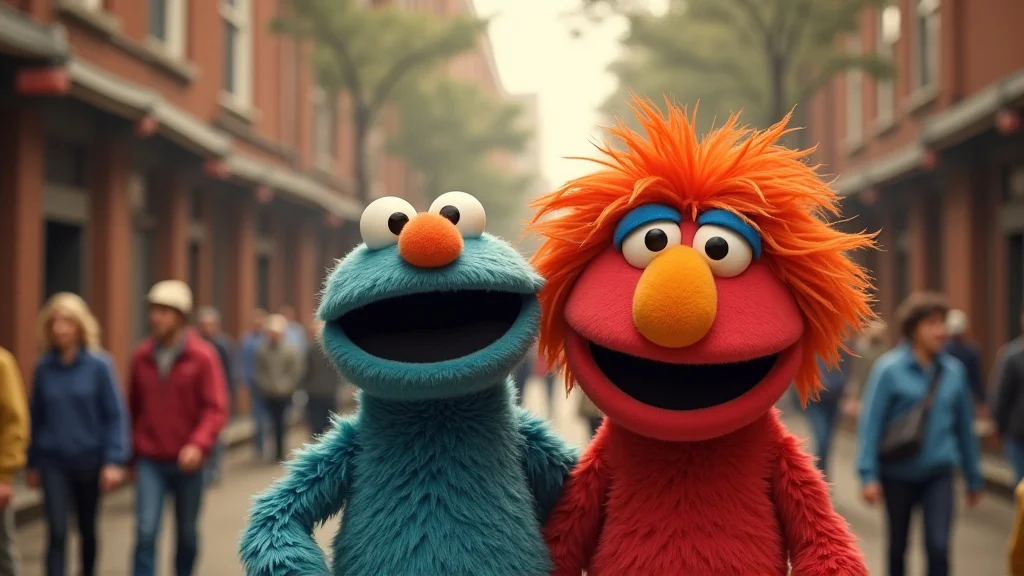
- Sesame Street: Uses puppets and animation to teach basic skills, like letters and numbers.
- National Geographic Kids: Features documentaries about animals, science, and the world.
- YouTube Kids: Provides a safer environment with parental controls, though reviews are still important.
Before allowing your children to watch anything, do a quick check to see if the content is safe. Read reviews from other parents to learn about what other people think. The reviews can give you insight into the video’s educational value and any concerns it has. Always watch a video before your kids do. Pay attention to the creators of the content. A good way to assess a channel’s safety is by looking at who created the video, and what they have created in the past. If you follow these guidelines, you can ensure that your children enjoy valuable and safe online experiences.
Common Myths Debunked
Myth 1: All Online Content Is Safe for Kids
Many people believe that all online content is safe for kids, but this is not correct. The reality is that the internet has a lot of content, and some of it is not safe. There may be content that is not age-appropriate. This can include violent, sexual, or otherwise inappropriate material. To keep children safe, parents must take an active role in monitoring what their children watch. It also involves using parental controls and teaching them about online safety. This helps make sure kids have positive experiences online.
Myth 2: Educational Videos Are Only Good for Entertainment
Many believe that educational videos are mainly for entertainment. However, they also play a key role in education. High-quality educational videos can support literacy, teach new concepts, and improve critical thinking skills. They can supplement lessons and offer a visual way to explain complex ideas. Videos can also spark curiosity and motivate children to learn. The best educational videos combine entertainment with education. They make the process more fun and memorable.
Myth 3: More Screen Time Always Means Less Learning
There is a feeling that all screen time is bad for children. The reality is that the quality of content and how it’s used is very important. Moderate screen time with high-quality educational videos can support learning. Some videos are designed to meet educational goals and can be helpful in the classroom or at home. The key is to balance video watching with other learning experiences and limit screen time. This gives the children a balanced learning plan.
Myth 4: All Educational Videos Are Boring
Some feel that educational videos are dull and dry. But, in fact, many are designed to be fun and engaging. They incorporate animations, music, and storytelling to capture children’s attention and motivate them to learn. Modern educational videos are made to be interactive, encouraging children to participate in the learning process. The best educational videos combine fun and learning to create a memorable experience. There’s a wide range of videos that appeal to different learning styles and interests.
Myth 5: YouTube is Always the Best Source for Kids’ Videos
Many people feel that YouTube is the top source for all kids’ videos. While YouTube offers a lot of content, it also has potential risks, like inappropriate content. However, YouTube Kids is a more protected environment. Many other platforms, like PBS Kids and Netflix, may provide high-quality and safe content. To ensure children are safe, parents need to choose trustworthy platforms. They can do this by using parental controls and keeping an eye on the content. Doing so helps them create a safe experience.
Frequently Asked Questions
Question: What are the best video platforms for educational content?
Answer: Platforms like PBS Kids, Sesame Street, and National Geographic Kids offer reliable, kid-friendly educational content. YouTube Kids provides a controlled environment, but it’s important to monitor content.
Question: How can I tell if a video is educational and of good quality?
Answer: Check reviews, watch a segment before showing it to your child, and make sure the content is age-appropriate. Look for videos that are well-produced, accurate, and engage your child.
Question: How much screen time is too much for kids?
Answer: The American Academy of Pediatrics recommends setting limits based on age and family needs. It’s important to balance video time with other activities and ensure kids take breaks.
Question: What should I do if I find inappropriate content?
Answer: Report the content to the platform and block the channel or video. Teach your child about online safety and how to identify and report unsuitable content.
Question: Can educational videos replace traditional teaching methods?
Answer: Educational videos should supplement other learning activities such as reading, playing, and hands-on experiments. They are tools, not replacements for traditional teaching.
Final Thoughts
Educational kids videos are important resources for learning and can be used in the home and classroom. They offer a unique way to introduce children to new concepts, expand their knowledge, and develop important skills. The key is knowing how to pick the right videos and use them in a sensible way. Selecting content that is age-appropriate, high-quality, and matches your children’s interests is a great step. Using videos as a supplement to other learning activities and combining them with real-world experiences will boost the learning. Always make sure to consider safety. Make sure the content comes from trusted sources, and take advantage of safety features. By following these suggestions, you are creating a positive learning environment.
Remember that the goal is to create a well-rounded and engaging learning experience. Encourage your children to explore, ask questions, and be curious about the world around them. As you explore the options, you’ll discover many tools to help children understand key subjects and build a love of learning. Support the children as they develop their skills and make learning a regular habit, making education enjoyable and effective.