Remember that time your little one just wouldn’t put down their tablet? We’ve all been there! While screen time has its place, it’s great to find activities that keep kids engaged, spark their curiosity, and boost their development. That’s where educational kids toys step in. These aren’t just playthings; they’re tools to nurture young minds. This post will explore how the right toys can make learning an exciting adventure. You’ll discover how to pick toys that match your child’s age and interests, turning playtime into a valuable learning opportunity. Get ready to transform ordinary play into extraordinary learning experiences for your children, increasing your time on page and reducing bounce rate!
Key Takeaways
- Discover the numerous benefits of educational kids toys for your child’s growth.
- Understand the different types of educational toys available and how they support different learning areas.
- Learn how to choose toys that match your child’s age and developmental stage.
- Explore the importance of play-based learning and how toys fit into this approach.
- Find out how to encourage learning through play, fostering a love of discovery in your child.
- Get tips on selecting safe and durable educational toys for long-lasting enjoyment.
The Power of Play in Early Learning
Play is a child’s primary way of exploring and educational kids toys are the vehicles for that exploration. From building blocks to art supplies, these tools provide children the opportunity to experiment, problem-solve, and unleash their creativity. It’s through this process of experimentation and discovery that children develop critical thinking skills, a fundamental skill that underpins their lifelong learning journey. Toys create the perfect environment for children to practice these skills, preparing them for more structured learning in school and beyond.
The Benefits of Play-Based Learning
Play-based learning is more than just fun; it’s a powerful tool for child development. It allows children to engage with concepts in a hands-on, engaging way. By experiencing a concept firsthand, they grasp the principles more thoroughly than by reading about them or listening to lectures. This learning method encourages a positive attitude towards education and fosters a lifelong love for learning. Play builds a foundation for a range of abilities, including problem-solving, social-emotional skills, and creativity.
- Enhanced Cognitive Skills: Play-based learning stimulates critical thinking, problem-solving, and decision-making skills. Children learn to analyze situations and develop strategic thinking through games, puzzles, and building activities.
- Boosted Social and Emotional Skills: Playing with others teaches children to collaborate, share, and manage emotions. Toys that encourage group play help in developing empathy and communication skills.
- Improved Creativity and Imagination: Toys such as art supplies, building sets, and dress-up costumes let children use their imagination, encouraging them to create, invent, and explore new ideas.
- Developed Fine and Gross Motor Skills: Manipulating small toys helps children refine fine motor skills, while outdoor play promotes gross motor skills. These physical activities are essential for overall growth.
- Language and Communication Skills: Storytelling, role-playing, and discussing toys together enhance children’s ability to communicate, express thoughts, and understand language.
Play as an Educational Tool
Play isn’t just a break from learning; it is learning. When a child engages with educational kids toys, they absorb information and develop skills without realizing they are ‘studying.’ This method makes learning enjoyable and natural, allowing children to develop at their own pace. By integrating play into learning, children become more engaged, retain information better, and view education as a positive experience. This creates a solid foundation for their future academic success.
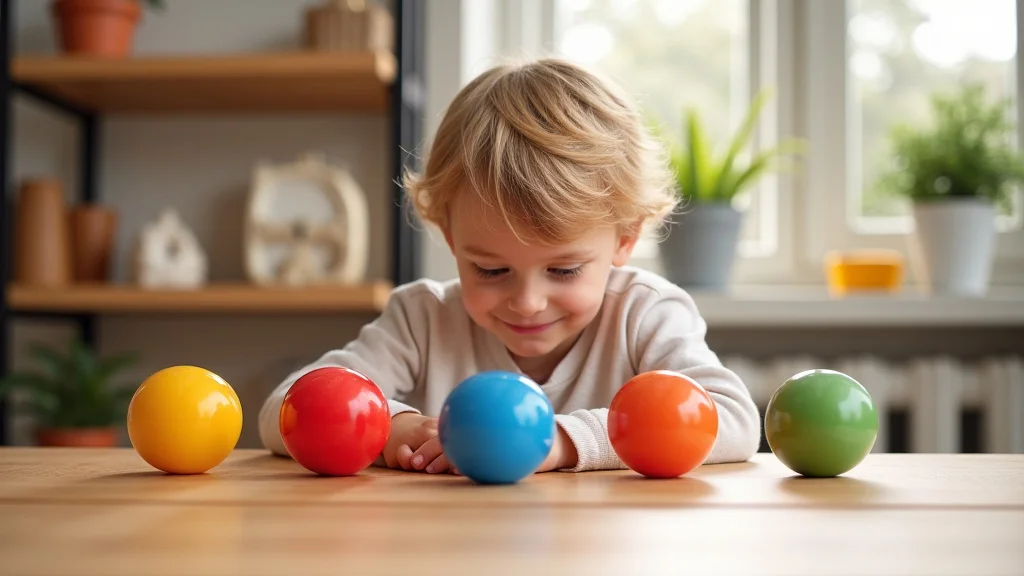
- Scenario: A child plays with building blocks, learning about shapes, sizes, and balance while designing a tower.
- Scenario: Playing with a toy cash register introduces children to money concepts, basic math skills, and social skills like customer service.
Choosing the Right Educational Kids Toys
Picking the correct toys can enhance a child’s learning journey and make playtime engaging. The best toys will capture a child’s interests and support their development. Consider a few critical factors to guide your selection process, ensuring the toys match the child’s age, capabilities, and learning requirements. This thoughtful approach will ensure the chosen toys will be enjoyed and promote the development you are looking for.
Matching Toys to Age and Stage
Toy selection must begin with a deep understanding of your child’s age and developmental stage. This method ensures that the toys are safe and appropriate for their capabilities, preventing frustration and boosting engagement. For younger children, toys that enhance sensory exploration and simple motor skills are perfect. Older children benefit from toys that challenge their cognitive abilities and offer opportunities for complex problem-solving. Be aware of any small parts that may be choking hazards for small children. Prioritizing age-appropriate toys is critical for a positive learning experience.
- Infants (0-12 Months): Opt for toys that stimulate senses. Soft blocks, musical toys, and activity gyms are ideal.
- Toddlers (1-3 Years): Choose toys that develop motor skills and promote early learning. Examples are building blocks, shape sorters, and push-and-pull toys.
- Preschoolers (3-5 Years): Focus on toys that foster imagination and pre-literacy skills. Include art supplies, puzzles, and interactive storybooks.
- School-Age Children (6+ Years): Introduce toys that challenge cognitive abilities. This includes board games, science kits, and building sets.
Understanding Different Types of Educational Toys
The variety of educational kids toys available is vast, each designed to focus on different aspects of development. From STEM (Science, Technology, Engineering, and Mathematics) toys to those that focus on creative expression, there is a toy to fit every child’s interest and support their learning journey. Focusing on a range of toys helps ensure your child is getting a well-rounded educational experience. Understanding these different types of toys will help you choose ones that best align with your child’s needs and areas of interest, facilitating a fun learning experience.
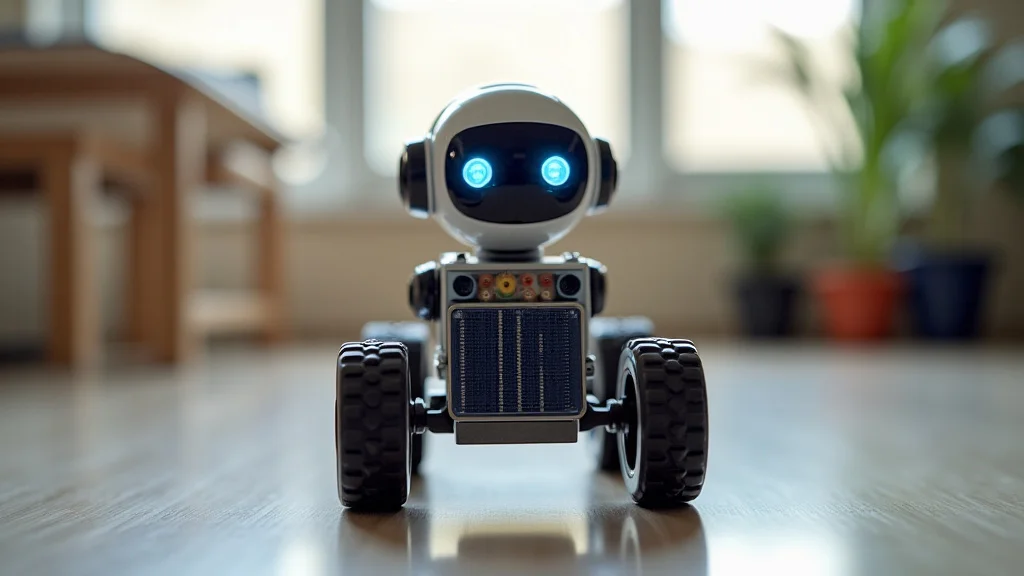
- STEM Toys: These toys help children explore science, technology, engineering, and math concepts. This category includes building sets, coding robots, and science kits.
- Arts and Crafts Toys: These toys encourage creativity and self-expression. Art supplies, clay, and craft sets allow children to develop their artistic abilities and fine motor skills.
- Language and Literacy Toys: Interactive storybooks, word games, and alphabet toys improve language and reading skills. These toys make reading and learning fun.
- Social and Emotional Learning Toys: Toys that promote empathy, cooperation, and conflict resolution. This includes role-playing toys and board games that encourage interaction.
- Outdoor and Physical Activity Toys: These toys support physical development and encourage outdoor play. Includes bikes, sports equipment, and climbing structures.
Fostering Learning Through Play
Turning playtime into a valuable learning experience involves more than just handing your child a toy. To fully realize the educational advantages, it’s essential to actively engage and support the learning process. It requires creating a stimulating environment, encouraging exploration, and providing guidance without over-instructing. Doing so will ensure the child remains interested, motivated, and finds joy in learning.
Creating a Learning Environment
The environment surrounding playtime significantly affects the learning experience. Setting up a space dedicated to play and learning can inspire children to explore and discover. Make the space engaging and accessible by arranging toys, books, and materials in a way that encourages exploration. Incorporate opportunities for hands-on activities, like creating an art station or a building area, which gives children the resources they need to learn independently. A supportive environment will turn playtime into a time of exploration and discovery.
- Designated Play Area: Create a safe and inviting space specifically for playing and learning.
- Organize Toys: Organize toys by type to make it easy for kids to find what they want.
- Encourage Independence: Set up the play area in a way that encourages children to select their activities independently.
- Rotate Toys: Periodically introduce new toys to keep interest high and provide new learning opportunities.
- Provide Resources: Have books, art supplies, and other materials available for hands-on activities.
Encouraging Exploration and Discovery
Encouraging exploration is about promoting a child’s natural curiosity. Encourage your child to ask questions, experiment, and try new things. Ask open-ended questions that promote critical thinking, and allow children the freedom to find their own solutions. Create opportunities for hands-on activities that let them interact with the world around them. This method gives children the power to become active learners, boosting their interest and deepening their comprehension.
- Ask Open-Ended Questions: Encourage children to think critically by asking questions like “What do you think will happen if.?”
- Provide Hands-On Experiences: Offer activities that allow children to explore concepts through direct interaction.
- Encourage Experimentation: Allow children to experiment with different materials and techniques.
- Celebrate Curiosity: Recognize and celebrate their efforts to investigate and understand the world.
- Follow Their Lead: Observe your child’s interests and guide their exploration.
Safety and Durability of Educational Toys
Ensuring the safety and durability of educational kids toys is essential for children’s well-being and a positive learning experience. Toys must be made from safe materials and withstand the wear and tear of daily play. Prioritizing safety and durability guarantees that toys will provide years of enjoyment while supporting a child’s development without posing any risks. Checking for these features will provide peace of mind and improve the value of the toy.
Safety Considerations
When selecting educational kids toys, safety is of utmost importance. Always check for safety certifications from a recognized testing organization to ensure the toys have been tested for harmful chemicals and meet safety requirements. Select toys based on the child’s age to avoid choking hazards. Regularly inspect toys for wear and damage, and promptly repair or replace any that are unsafe. These considerations are critical to protect the child from accidents while they’re learning and playing.
- Age Appropriateness: Ensure the toy is suitable for the child’s age group.
- Safety Certifications: Look for toys that meet safety standards from recognized organizations.
- Material Quality: Choose toys made from non-toxic materials.
- Size and Shape: Avoid toys with small parts that can be choking hazards.
- Regular Inspections: Regularly check toys for damage and wear.
Durability and Longevity
Investing in durable toys helps ensure long-term value and sustained enjoyment. Search for toys made from high-quality materials that can resist daily use and potential damage. Toys that are built to last offer more than just monetary value; they let children play with them for extended periods, encouraging ongoing learning. Choosing durable toys reduces waste and supports sustainability, allowing children to enjoy their toys for longer periods and through many developmental stages.
- Material Quality: Select toys made from durable materials like wood or sturdy plastic.
- Construction: Choose toys with solid construction that can withstand rough play.
- Easy to Clean: Pick toys that are simple to clean and maintain.
- Review Ratings: Read customer reviews to assess the toy’s durability.
- Storage Solutions: Use storage solutions that prevent damage to toys when not in use.
Common Myths Debunked
Myth 1: Educational Toys Are Boring
Reality: The idea that educational kids toys are boring is a complete misunderstanding of what these toys are about. Effective educational toys are designed to be fun and engaging, using interactivity and interesting challenges to maintain children’s interest. They integrate play with learning, making education enjoyable and exciting. Modern educational toys use bright colors, engaging characters, and exciting activities to keep children engaged, guaranteeing that they won’t feel like they’re doing schoolwork.
Myth 2: Expensive Toys Are Always the Best
Reality: The price of a toy does not determine its educational value. While premium toys may have high-tech features or innovative designs, many affordable toys provide excellent learning opportunities. What truly matters is the toy’s design, educational purpose, and how well it engages the child. Good educational toys are available across a range of price points. Focusing on a toy’s educational advantages, not its cost, ensures that you can find the right choice for your child’s development.
Myth 3: Educational Toys Are Only for School Subjects
Reality: Educational kids toys help a child’s development across a broad range of skills, not just core academic subjects. Toys develop essential skills like problem-solving, creativity, social interaction, and motor skills, all of which are critical to a child’s growth. These toys support holistic development. This method gives children a well-rounded educational experience that prepares them for success in many aspects of their lives.
Myth 4: Educational Toys Restrict Creativity
Reality: Some people believe that structured educational toys limit creativity. The truth is, many educational toys are designed to promote imagination and creative expression. Toys such as building blocks, art sets, and open-ended play materials let children discover new ideas and develop their creative skills. This allows them to use their imagination and explore their creativity. Educational toys serve as a springboard, sparking children’s imagination rather than restricting it.
Myth 5: All Toys Labeled Educational Are Actually Educational
Reality: The term “educational” is used broadly. While many toys advertised as educational have benefits, it is important to critically assess whether a toy genuinely provides educational value. Read product descriptions, check reviews, and consider whether a toy encourages learning through active participation. Look for toys that align with your child’s developmental goals and provide a meaningful learning experience. Critical evaluation assures that the toy fulfills its intended educational purpose.
Frequently Asked Questions
Question: What is the best age to start using educational toys?
Answer: You can start introducing educational toys as early as infancy! Age-appropriate toys can support development from birth, including sensory toys for infants and building blocks for toddlers.
Question: How do I know if a toy is safe for my child?
Answer: Look for toys that have been certified by organizations such as ASTM International, which perform safety testing. Always check the toy’s age recommendations and avoid toys with small parts that could be a choking hazard.
Question: How can I make learning with toys more engaging?
Answer: Get involved! Encourage open-ended play, ask questions, and explore the toy with your child. Turn it into a game by adding challenges and role-playing scenarios to keep it fun.
Question: What’s the difference between STEM and STEAM toys?
Answer: STEM toys (Science, Technology, Engineering, and Mathematics) focus on these fields, while STEAM toys include an “A” for Arts, emphasizing creativity and design in addition to STEM subjects.
Question: How many toys should a child have?
Answer: There is no magic number. Prioritize quality over quantity. Select a range of toys that support different developmental areas and your child’s interests. Having a variety is important for a child’s development.
Final Thoughts
Educational kids toys are incredibly effective tools for fostering a love of learning in children. By choosing age-appropriate toys that align with your child’s interests, you can create a fun and engaging environment that promotes crucial developmental skills. Remember, play-based learning is a powerful approach that combines fun with education. These toys, from building blocks to science kits, offer hands-on experiences that encourage exploration, curiosity, and creativity. Selecting safe, durable toys ensures that playtime remains a positive and beneficial experience for your child. By following the tips and recommendations above, you can turn playtime into an incredible journey of discovery for your little ones. Encourage your child’s exploration, celebrate their discoveries, and watch them learn and grow with every play session. Your investment in educational toys is an investment in their future!